Starting a YouTube channel is exciting, but watching that subscriber count crawl can be frustrating. You've uploaded your first few videos, shared them with friends, and... 47 subscribers. Sound familiar? The truth is, 90% of YouTube channels never reach 1,000 subscribers, but it's not because they lack talent—it's because they lack strategy.
According to YouTube's 2024 Creator Report, channels that implement consistent growth tactics in their first 30 days are 5x more likely to hit the monetization threshold within 6 months. This guide breaks down 10 actionable steps you can take in your first month to build momentum, attract your target audience, and set yourself up for sustainable growth.
Whether you're a complete beginner or restarting after a failed attempt, these proven strategies will help you avoid common pitfalls and accelerate your path to 1,000 subscribers. Let's dive into what actually works in 2025.
1. Nail Your Niche and Target Audience 🎯
The biggest mistake new creators make is trying to appeal to everyone. YouTube's algorithm rewards specificity. Instead of "tech reviews," go for "budget Android phones for students." Instead of "cooking," try "15-minute meals for busy professionals."
Spend your first 3 days researching: Who are your ideal viewers? What problems do they have? What keywords are they searching? Use tools like TubeBuddy or VidIQ to find search volumes between 1,000-10,000 monthly searches—sweet spots with demand but manageable competition.
💡 Action Item: Write down 3 specific viewer personas with their age, occupation, and biggest YouTube-related pain point. Every video should speak to at least one of these personas.
2. Optimize Your Channel Like a Pro 🔧
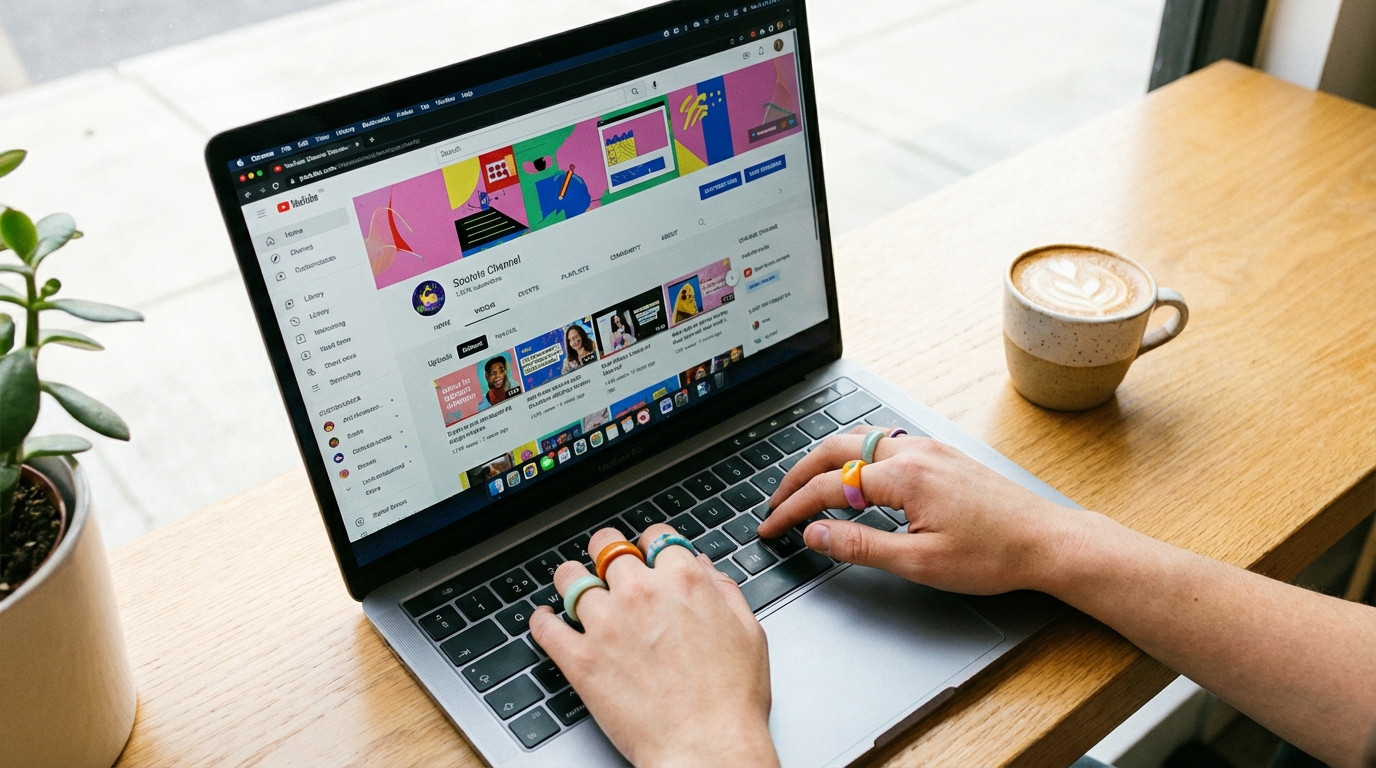
Your channel is your storefront. Before pushing for subscribers, make sure visitors want to stay. Create a compelling channel banner (2560x1440px) that clearly states your value proposition. Write a channel description using your main keywords in the first 100 characters—this helps YouTube categorize you correctly.
Most importantly, create a channel trailer under 60 seconds for new visitors. This should answer: Who are you? What content do you make? Why should they subscribe? End with a clear call-to-action.
- Banner tip: Include upload schedule ("New videos every Tuesday & Friday")
- About section: Link to your social media and email for collaborations
- Featured video: Set your best-performing video as the featured content for returning subscribers
- Playlists: Organize your content—even 3-5 videos can be grouped
- Handle: Keep it consistent across all platforms
3. Master the First 30 Seconds ⏱️
YouTube Analytics shows that 50% of viewers leave within the first 30 seconds if they're not hooked. Your opening must deliver immediate value. Skip long intros, flashy animations, and "Hey guys, welcome back." Jump straight into the promise of your title.
Use the "PPP Formula": Preview (tease the outcome), Problem (state what viewers want to know), and Promise (tell them they'll get it by the end). For example: "By the end of this video, you'll know exactly how to double your watch time—the #1 factor YouTube cares about. If your videos are dying after 2 minutes, here's why..."
💡 Retention Hack: Add a "visual pattern interrupt" every 5-7 seconds in your first minute—b-roll, zoom, text overlay, or a quick cut. This keeps the brain engaged.

4. Create Click-Worthy Thumbnails and Titles 🖼️
Your thumbnail and title are your billboard. Even if you make the best video ever, no one will watch if they don't click. Research shows thumbnails with faces showing emotion get 30% more clicks. Use bold, contrasting colors (yellow/black, red/white) and keep text to 3-4 words maximum.
For titles, use the "Curiosity Gap" method: Give enough info to make them interested, but hold back the solution. Compare "How to Grow on YouTube" (boring) vs. "I Tried YouTube's Secret Algorithm Hack for 30 Days—Here's What Happened" (curiosity-driven).
- Tools: Canva (free templates), Photopea (Photoshop alternative), TubeBuddy (A/B testing)
- Consistency: Use the same font, color scheme, and layout style across videos to build brand recognition
- Testing: Create 3 thumbnail options and ask your target audience which they'd click
5. Upload Consistently (But Strategically) 📅
Consistency beats frequency. Don't burn out trying to upload daily—find a sustainable schedule. YouTube's algorithm favors channels that upload predictably. Whether it's once a week or three times a week, stick to it for at least 30 days.
Use YouTube Studio's "Scheduled Upload" feature to release videos at optimal times. For most niches, Thursdays and Fridays between 2-4 PM EST perform best, but check your analytics after 5-10 videos to find your audience's peak activity hours.
💡 Content Bank Strategy: Film 2-3 videos in one session, then edit and schedule them. This keeps you ahead and reduces stress.
6. Leverage YouTube Shorts for Discovery 🎬
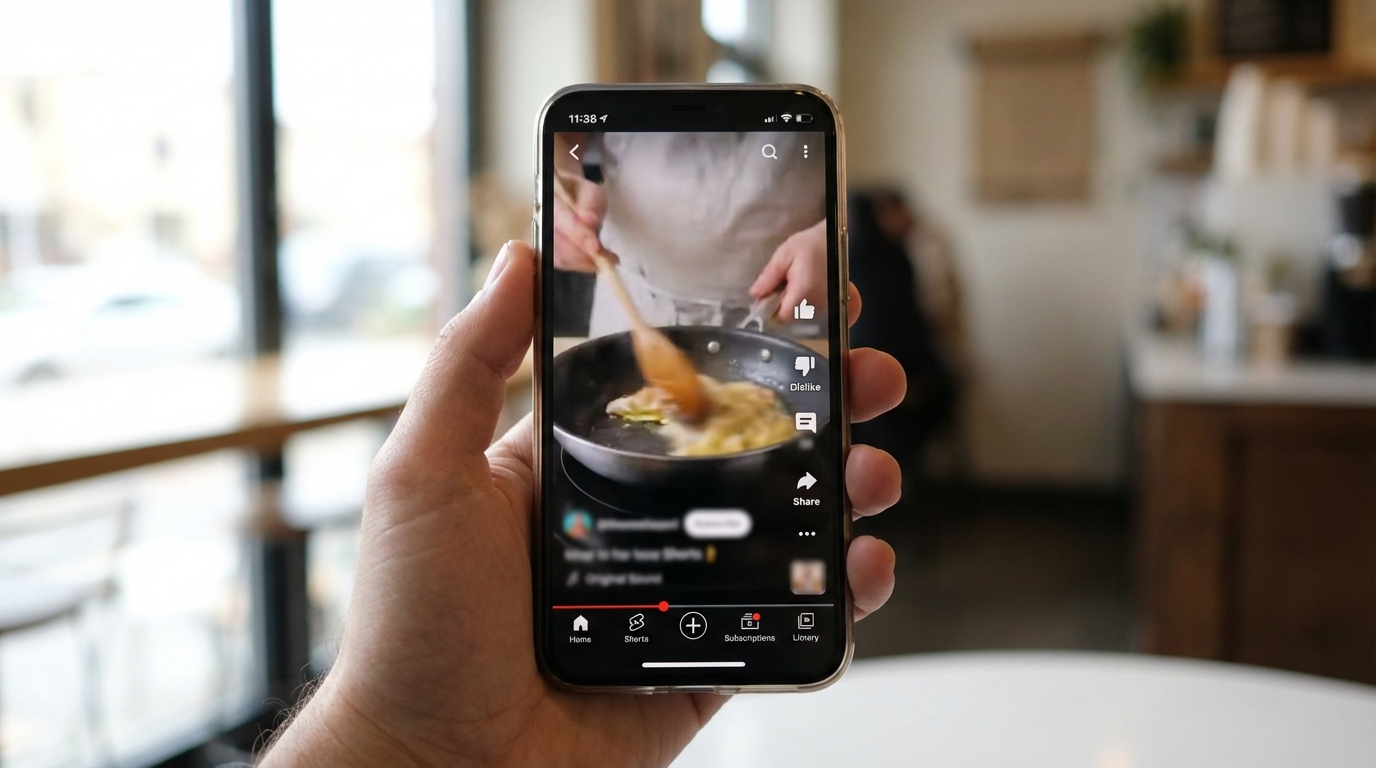
YouTube Shorts are the fastest way to get eyeballs on your channel in 2025. The algorithm pushes Shorts aggressively—channels gain an average of 200-500 subscribers per viral Short. Create 15-60 second vertical videos (9:16 ratio) that tease your long-form content or provide quick tips.
The key: Always add a CTA directing viewers to your full videos. End every Short with "Full tutorial on my channel" or "Watch my latest video for the complete guide." Pin a comment linking to your most relevant long-form content.
- Repurpose your long-form content into 3-5 Shorts
- Use trending sounds from the Shorts audio library
- Hook viewers in the first 2 seconds with movement or a bold statement
- Upload Shorts at different times than your regular videos to maximize reach
7. Engage with Your Audience (Every Single Comment) 💬
YouTube's algorithm measures engagement, and creator responses count heavily. Reply to every comment in the first 24 hours—even a simple "Thanks for watching!" boosts your video's ranking. Comments signal to YouTube that your content sparks conversation.
Go further: Ask a question at the end of your video to encourage comments. "What topic should I cover next?" or "What's your biggest challenge with [topic]?" Make viewers feel heard by featuring their suggestions in future videos and giving them a shoutout.
💡 Community Tab: Once you hit 500 subscribers, use the Community tab to post polls, behind-the-scenes photos, and teasers. This keeps your audience engaged between uploads.
8. Collaborate and Cross-Promote 🤝
Don't wait until you're "big enough" to collaborate. Find creators in your niche with 500-5,000 subscribers (similar size to yours) and propose collaboration ideas. Guest appearances, shoutouts, or co-created videos expose you to their audience—and it's mutually beneficial.
Use Twitter (X), Instagram, or Reddit to network. Search hashtags like #YouTubeCollaboration or join Facebook groups for creators in your niche. When pitching, make it easy: "I'd love to do a video on [topic]. We could each promote it to our audiences—I'll handle editing if you're interested."
- Collaboration ideas: Debates, challenges, Q&A swaps, reaction videos
- Cross-promote on other platforms: Share your video on TikTok, Instagram Reels, Twitter, and relevant subreddits (without spamming)
- Guest appearances: Offer to be interviewed on podcasts or other YouTube channels
9. Analyze and Adapt with YouTube Analytics 📊
Your first month is about learning what works. Check YouTube Studio analytics weekly. Focus on these metrics: Average View Duration (aim for 50%+), Click-Through Rate (8-10% is strong), and Traffic Sources (where viewers find you).
If a video has high CTR but low watch time, your title/thumbnail are great but content needs work. If CTR is low, your packaging needs improvement. Use this data to double down on what's working and fix what's not.
💡 Key Insight: Your best video is your template. Analyze why it performed well—topic? Pacing? Thumbnail style? Replicate that formula.
10. Build a Content Moat with Playlists and End Screens 🎯
Once viewers finish one video, keep them watching. Create playlists that guide viewers through a series (e.g., "Beginner's Guide to YouTube Growth"). Playlists increase session time, which YouTube loves.
Use end screens (last 5-20 seconds) to promote your best video or a related playlist. Add clickable subscribe buttons and link to 1-2 videos. Cards (pop-ups during the video) can also direct viewers to relevant content at key moments.
- Playlist strategy: Arrange videos from beginner to advanced
- End screen templates: Use YouTube's built-in options or create custom ones in Canva
- Pinned comment: Link to your most popular video or a relevant playlist
- Description links: Add timestamps and related video links in every description

Reaching 1,000 subscribers in your first month is ambitious but achievable with the right strategy. Remember, every successful YouTuber started at zero—the difference is they took consistent action. These 10 steps aren't magic bullets, but they're proven tactics that compound over time. Focus on creating genuine value for your target audience, and the subscribers will follow.
Your first 30 days set the foundation. Stay patient, stay consistent, and adjust based on what your analytics tell you. The journey from 0 to 1,000 is the hardest part, but once you crack the code, momentum builds exponentially. Now stop reading and start creating—your future audience is waiting.
What's your biggest challenge in growing your YouTube channel? Drop a comment below, and let's problem-solve together! And if you found this helpful, don't forget to subscribe for more actionable growth strategies. You've got this! 🚀