Ever wondered how digital characters like Hamchi capture millions of hearts online? Creating AI personas has become one of the most exciting creative fields in 2025, blending artificial intelligence, storytelling, and character design. Whether you're a content creator, marketer, or just passionate about digital characters, learning to craft compelling AI personas can open doors to endless creative possibilities.
The global AI character market is projected to reach $4.7 billion by 2026, with virtual influencers and AI companions becoming mainstream. From Instagram personalities to customer service avatars, AI personas are reshaping how we interact online. This guide will show you exactly how to create memorable AI characters that resonate with audiences.
We'll walk through the complete process: understanding persona fundamentals, choosing the right AI tools, designing personality traits, developing visual identity, and bringing your character to life across platforms. By the end, you'll have a clear roadmap to create your own Hamchi-style character.
🎭 Understanding AI Persona Fundamentals
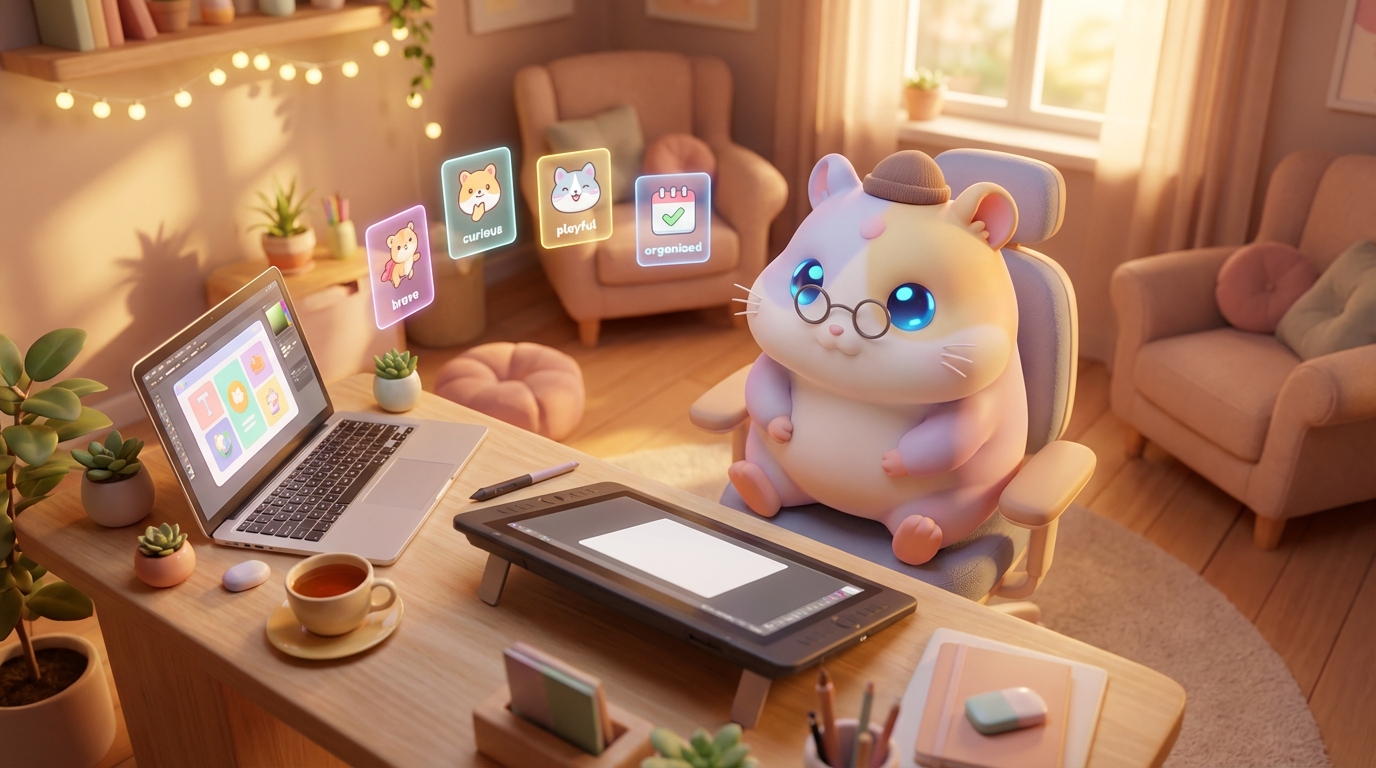
An AI persona is more than just a chatbot with a name—it's a fully realized character with personality, background, values, and consistent behavior patterns. Think of it as creating a fictional character for a novel, but one that can actually interact with people in real-time.
Successful AI personas like Hamchi work because they have three core elements: consistency (they act the same way every time), relatability (audiences see themselves or aspirations in the character), and distinctiveness (they stand out from generic bots). Research shows that 78% of users prefer interacting with branded AI that has personality over neutral interfaces.
Before diving into creation, ask yourself: What need does your persona fill? Is it entertainment, education, emotional support, or practical assistance? Hamchi succeeds as a cute, encouraging companion who makes people smile. Your persona needs an equally clear purpose.
🛠️ Choosing Your AI Creation Tools
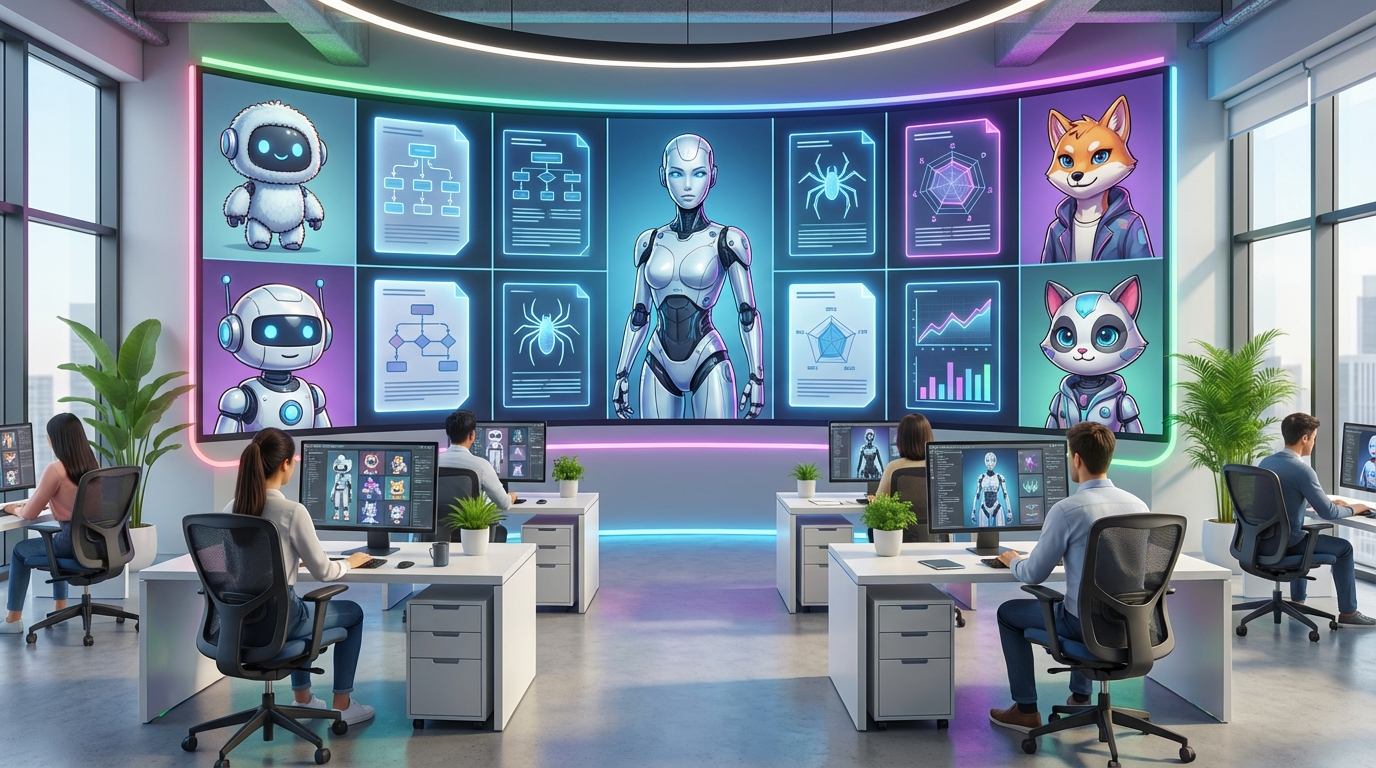
In 2025, you have incredible tools at your fingertips. For text-based personalities, platforms like Character.AI, Replika, and Claude allow deep customization of conversation styles. For visual characters, Midjourney, DALL-E 3, and Stable Diffusion generate stunning imagery.
If you want a complete package like Hamchi—both visual and interactive—consider combining tools. Use Midjourney for character design, Claude or GPT-4 for personality programming, and ElevenLabs for voice if needed. For animation, D-ID and Runway ML can bring static images to life.
💡 Pro Tip: Start simple with one platform before combining multiple tools. Master the personality first, then layer on visuals and voice.
✍️ Crafting Your Character's Personality Blueprint
This is where your persona comes alive. Create a detailed character sheet covering:
- Basic Profile: Name, age, background story, occupation (even if fictional)
- Personality Traits: Are they optimistic or realistic? Playful or serious? Use the Big Five personality model as a framework
- Speech Patterns: Do they use emojis? Specific phrases? Formal or casual language?
- Values & Beliefs: What matters to them? What do they advocate for?
- Quirks & Habits: These make characters memorable—like Hamchi's love for sunflower seeds
Write sample conversations your character would have. Test different scenarios: How do they respond to sadness? Excitement? Conflict? Consistency across situations builds authenticity.
🎨 Designing Visual Identity
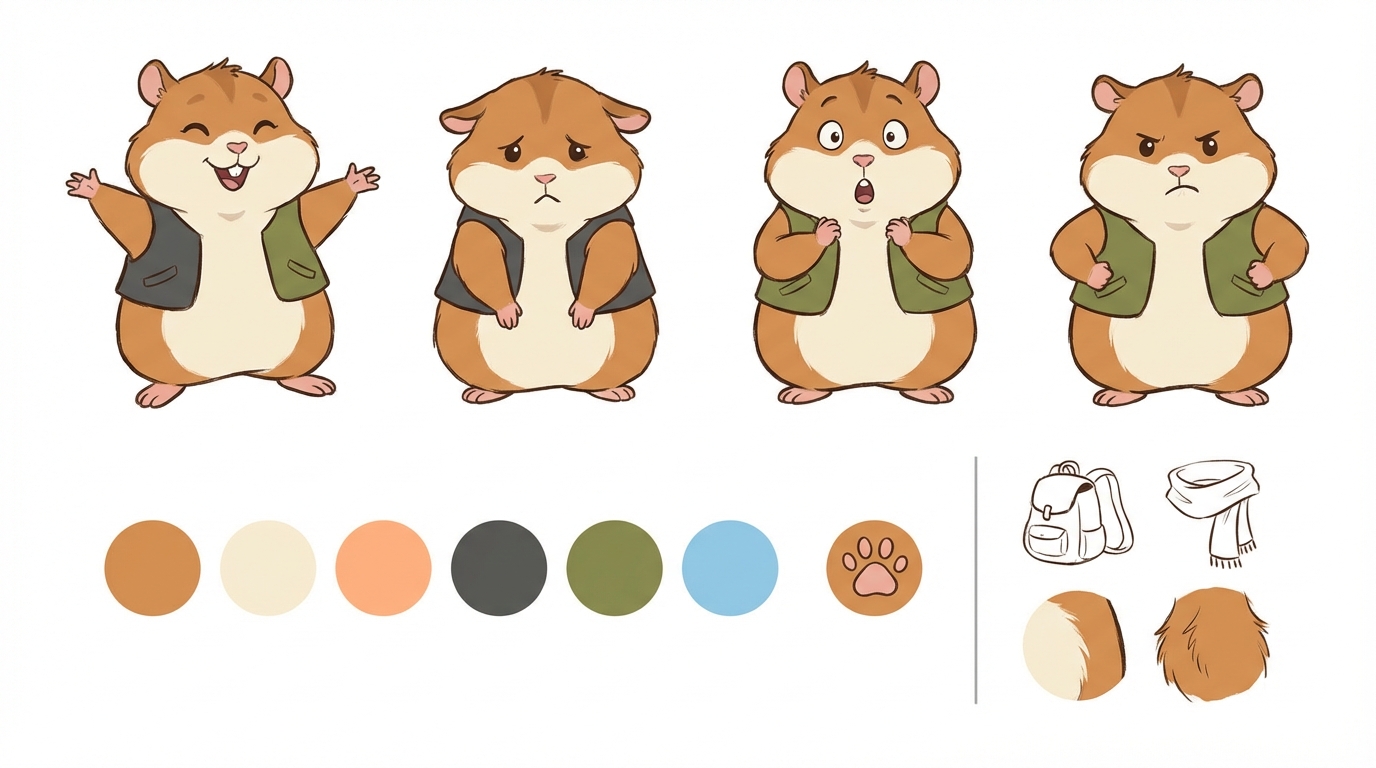
Visual design is crucial for characters like Hamchi. Even if your AI persona is primarily text-based, having visual representation dramatically increases engagement. Studies show that AI characters with consistent visual identity receive 3x more user retention.
Start with a style direction: Cute and rounded (like Hamchi)? Sleek and futuristic? Realistic or anime-inspired? Then define specifics:
- Color palette: 2-3 primary colors that reflect personality
- Physical features: Distinctive elements people will recognize instantly
- Expression range: Create multiple emotional states (happy, sad, surprised, thinking)
- Signature items: Props or accessories that become iconic
💡 Design Tip: Simple designs work best for AI personas. They're easier to reproduce consistently and more recognizable at small sizes on social media.
🤖 Programming AI Behavior and Responses
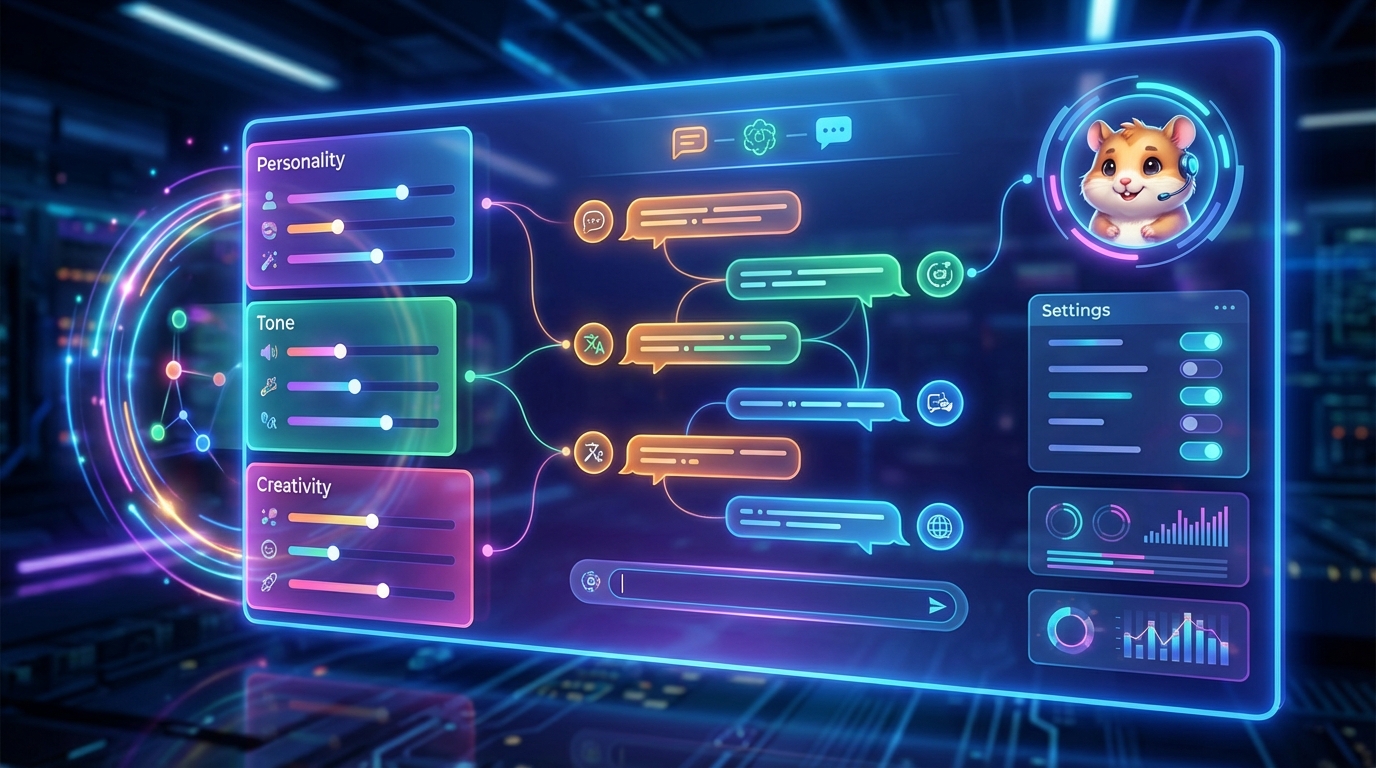
Now comes the technical part—actually building your AI's brain. If using platforms like Character.AI or Claude, you'll work with prompts and training data. The key is creating a comprehensive system prompt that encapsulates everything about your character.
Your system prompt should include: character description, personality traits, communication style, knowledge boundaries, and example responses. For instance, a Hamchi-style prompt might specify: "You are an enthusiastic hamster who loves sunflower seeds, always encouraging, uses cute emojis, and occasionally makes gentle hamster-related puns."
Test extensively with diverse inputs. How does your character handle: compliments, criticisms, questions outside their expertise, inappropriate requests? Refine based on actual conversations, not just theory.
📱 Bringing Your Persona to Life Across Platforms
A great AI persona needs distribution. Consider where your audience lives:
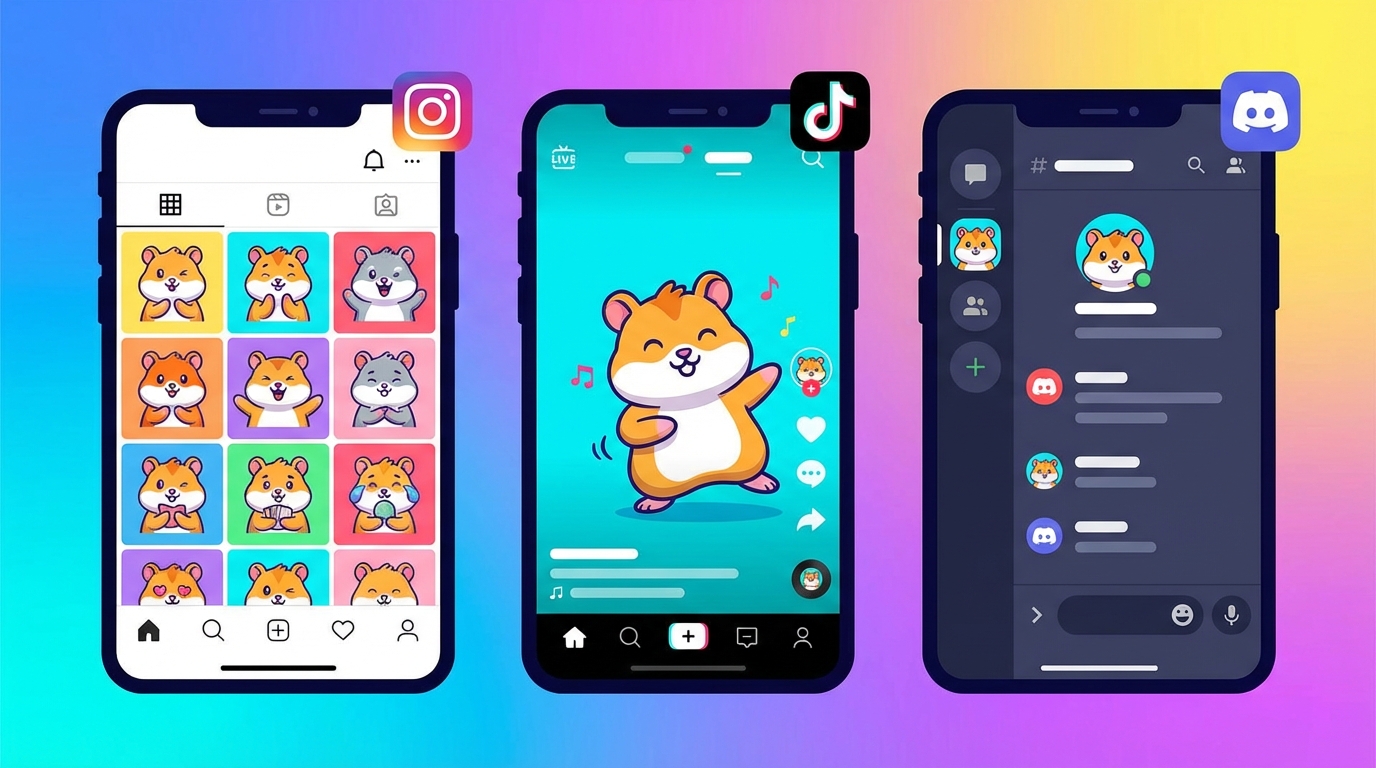
- Social Media: Instagram, TikTok, Twitter/X for short interactions and visual content
- Discord/Telegram: Dedicated communities where your character can chat in real-time
- Website/App: Your own platform for deeper interactions
- YouTube/Streaming: Longer-form content showing your character's personality
Consistency is everything. Your persona should feel the same whether someone meets them on Instagram or in a Discord chat. Create content calendars, response templates, and style guides to maintain coherence.
📈 Growing and Evolving Your AI Character
Successful AI personas grow with their audience. Monitor engagement metrics: which posts get the most interaction? What questions do people ask most? What emotional responses does your character trigger?
Plan character development arcs—yes, even AI personas can have story progression. Maybe they learn new skills, have adventures, or evolve their personality slightly based on community feedback. Hamchi's creator regularly introduces seasonal content and special events, keeping the character fresh.
💡 Growth Strategy: Release new character variations or "moods" every quarter to maintain interest without losing core identity.
⚖️ Ethical Considerations and Best Practices
With great creative power comes responsibility. Always be transparent that users are interacting with an AI. Don't pretend your persona is human—audiences appreciate honesty and many specifically enjoy AI interactions.
Set boundaries on what your character will and won't discuss. Avoid controversial topics unless that's your persona's specific niche. Protect user privacy—never store or share personal information shared with your AI.
Consider the emotional impact. AI companions can be powerful, but they shouldn't replace human connection. Include occasional reminders about real-world support when appropriate.
🎯 Monetization Strategies for AI Personas
Once you've built an audience, there are multiple monetization paths:
- Premium Access: Exclusive content or deeper interactions for paying subscribers
- Merchandise: Physical products featuring your character
- Sponsored Content: Brand partnerships where your persona promotes products
- Licensing: Allow others to use your character for their projects
- Educational Content: Courses or guides about character creation
The virtual influencer market is booming, with top AI personas earning six figures annually. However, focus on building authentic connection before monetization—audiences can tell when it's just about money.
Creating an AI persona like Hamchi is both an art and a science. It requires creativity for character design, technical skills for AI implementation, and marketing savvy for audience building. But the rewards—watching your creation connect with people worldwide—are incredibly fulfilling.
Start small, iterate based on feedback, and stay true to your character's core identity. The AI persona space is still young, with endless opportunities for creative innovators. Your unique character could be the next big thing in digital culture.
Ready to create your own AI persona? What character idea are you most excited about? Share your thoughts and let's build the next generation of digital personalities together!